


.webp)
Global nitrogen fertilizer production accounts for nearly 2% of CO₂ emissions and relies on the Haber-Bosch process, which is entirely dependent on natural gas.
Synanthra aims to break this production's reliance on fossil fuels while keeping it affordable for farmers. The startup is replacing Haber-Bosch with a bio-production process using modified bacteria and green electricity. This generates an ammonium nitrate solution in decentralized units installed near farms, at a price competitive with conventional fertilizers. This carbon-free, local production reduces dependence on both fossil gas and imports.
The product is marketed to agricultural cooperatives and distributors. Industrial development will proceed in stages: first a pilot unit, then a demonstration plant, and finally commercial units funded based on these results.
The next step
Synanthra's technology has been validated in the laboratory, and the patent was filed in early 2026. The startup is now scaling up production to bring a product to market. Two hurdles must be cleared to achieve this: raising the funds necessary for industrial scaling, and increasing production volume, which is a prerequisite for starting the agronomic trials needed to demonstrate the final product's effectiveness. The first field trials are planned as soon as possible.
Why 21st by CentraleSupélec?
21st by CentraleSupélec provides Synanthra with what a deeptech startup needs to move from the lab to the field: access to experts who challenge and strengthen its approach, the resources to test the process at a larger scale, and the opportunity to test the fertilizer on a real farm. It is the bridge between the technology and the farmers the startup is committed to serving.
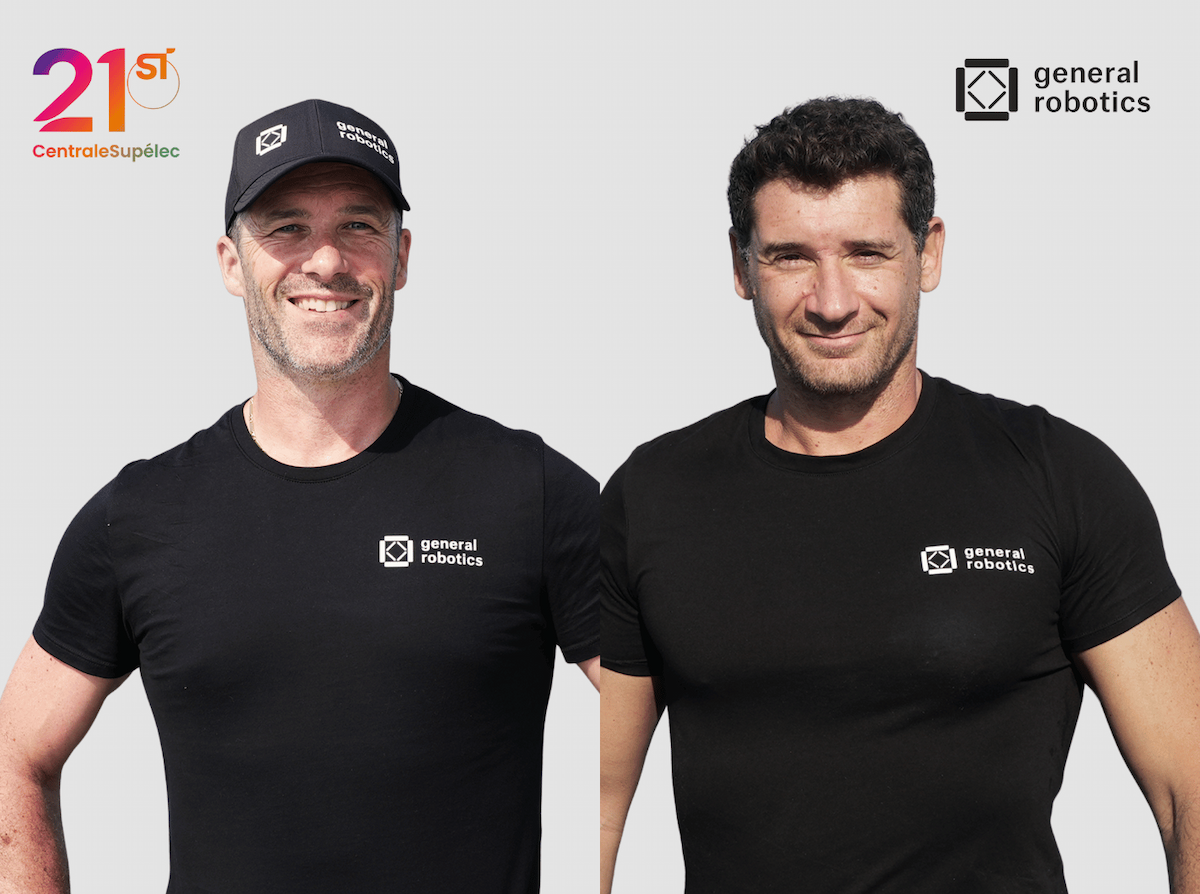
Meet the co-founders
Cameron Fyfe, CEO
Héloïse Coutelier, CSO
#GreenNitrogen #Bioelectrochemistry #DeepTech #SustainableAgriculture #AgriculturalSovereignty


.webp)
.webp)


.webp)
.webp)
.webp)


.webp)