

.webp)
.webp)
Every year, more than 400 million tons of plastic are produced worldwide, with over 90% derived from fossil fuels and a recycling rate of less than 10%. Existing alternatives remain marginal and have failed to change the status quo: they are too expensive to produce and rely on agricultural inputs like sugar or starch.
AnotherWorld Bioscience is reinventing this production chain by harnessing photosynthesis. Its microalgae synthesize polymers directly that degrade at the end of their life cycle instead of accumulating in the environment, without emitting persistent microplastics. By eliminating the need for both petroleum and sugar, the startup removes the dependence on raw materials that has prevented bioplastics from scaling, with the goal of achieving a cost competitive with fossil-based plastics. Tomorrow, plastic will no longer come from an oil well: it will be grown in the light.
Bioplastics currently account for only 1.5% of the plastic produced worldwide. The first market to conquer is packaging, which alone absorbs 44% of global production and represents the use case where plastic has the shortest lifespan: a few minutes in the consumer's hands, followed by decades in the environment. Derived from CO2 and light, without any fossil or agricultural inputs, AnotherWorld Bioscience's polymers are designed to degrade in a few months to a few years depending on the environment and product thickness, whereas conventional packaging fragments for decades.
The startup produces and sells the raw material. Its PHA resin is delivered in pellets or powder to compounders, who formulate it according to specific usage requirements, and directly to manufacturers who shape it. In parallel, it works with brands and manufacturers who market the finished products and decide on material selection. This dual approach pushes the material through the value chain while pulling demand from downstream, which shortens qualification cycles and secures initial orders.
The next step
AnotherWorld Bioscience is in the pre-maturation phase, hosted in the laboratories of the Biofoundry at the Sorbonne University Alliance. Its technology readiness level is TRL 3, with a proven concept and patented microalgae strains already producing PHA in the laboratory. The team is currently optimizing their productivity through synthetic biology to prepare for the transition from the laboratory to an industrial photobioreactor. The coming months will be dedicated to the quantitative validation of this production and the scaling of the prototype, with the support of academic and industrial partners specializing in microalgae cultivation. Three priorities structure this phase: securing the funding required for the industrial photobioreactor prototype, recruiting the first employees and building a team of experts, and signing the first industrial co-development contracts.
Why 21st by CentraleSupélec?
21st by CentraleSupélec is supporting AnotherWorld Bioscience in structuring its business model, building its client portfolio, and preparing for its fundraising. By joining the latest cohort, the startup gains access to the program's network of industrial partners, which serves as its primary pool of prospects, as well as its network of experts and the laboratories at CentraleSupélec and AgroParisTech for material development.
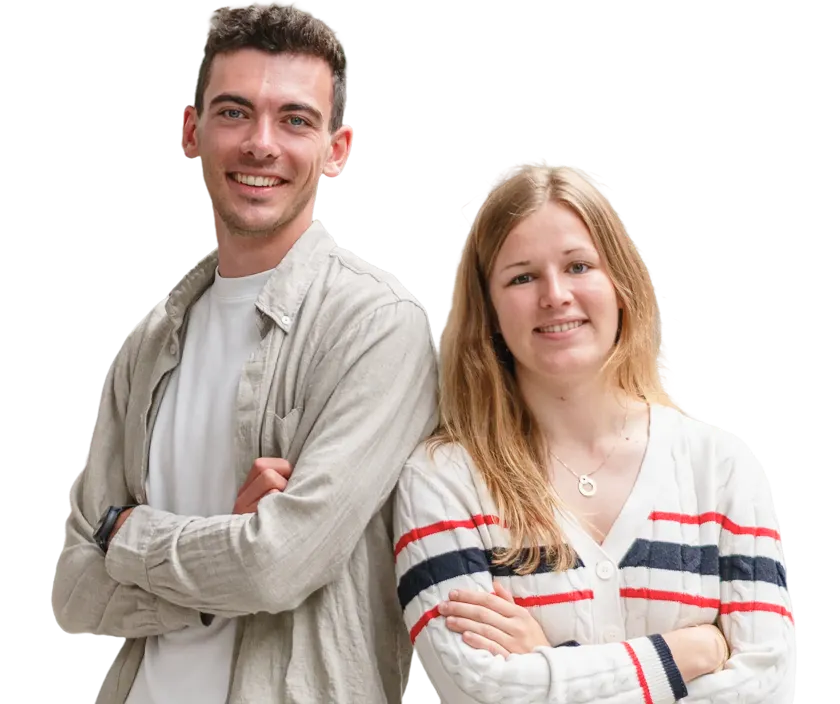
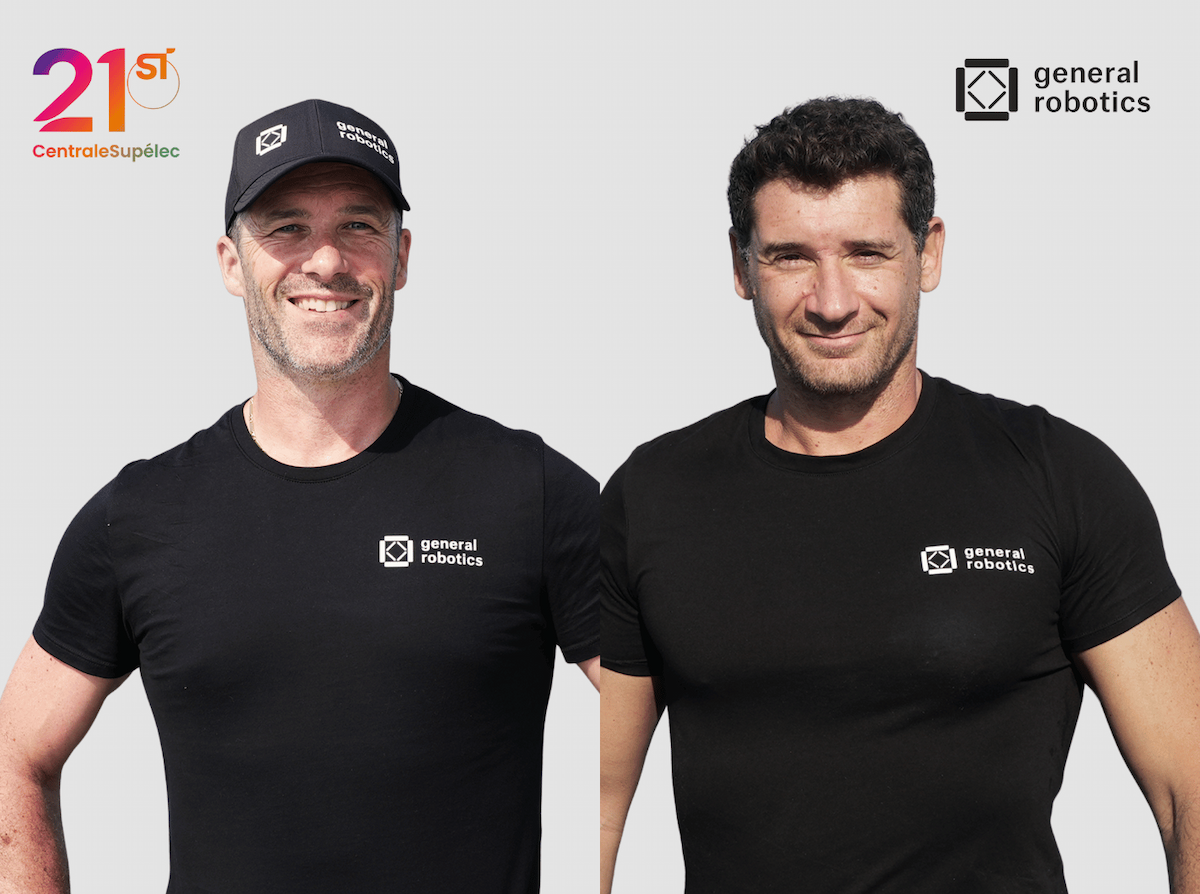
Meet the co-founders
Victor Kreis CEO
Stéphane Lemaire CTO
Pierre Crozet CSO
#Deeptech #Bioplastics #Microalgae #PHA #Photobioproduction

.webp)
.webp)


.webp)

.webp)

.webp)